Skip to main content
When heavy monsoons hit and streets become waterlogged, daily life takes a massive hit. The focus immediately shifts to basic survival and hygiene—navigating flooded roads, switching to bucket baths when the water supply is disrupted or muddy, and boiling drinking water. However, in the midst of this chaos, one vital aspect of daily hygiene is often compromised: your oral care routine.
During severe waterlogging, underground pipes can crack, allowing sewage and stagnant surface water to mix with the municipal supply. At Dent O Cares (https://dentocares.com/), we want to emphasize that using this compromised tap water for your dental routine is a serious health hazard. Here is your guide to maintaining safe oral hygiene when the water supply is questionable.
The Danger in the Tap
When your tap water runs murky or smells unusual due to flooding, the dangers are microscopic but severe. Using contaminated water to wet your toothbrush or rinse your mouth can introduce a host of pathogens directly into your system.
If you have a minor cut on your gums, a mouth ulcer, or are prone to bleeding gums, these bacteria can easily enter your bloodstream, causing localized oral infections, painful abscesses, or systemic waterborne illnesses like gastroenteritis and typhoid.
The Boiled Water Mandate
During periods of severe waterlogging, even standard water purifiers can be overwhelmed by the high microbial load.
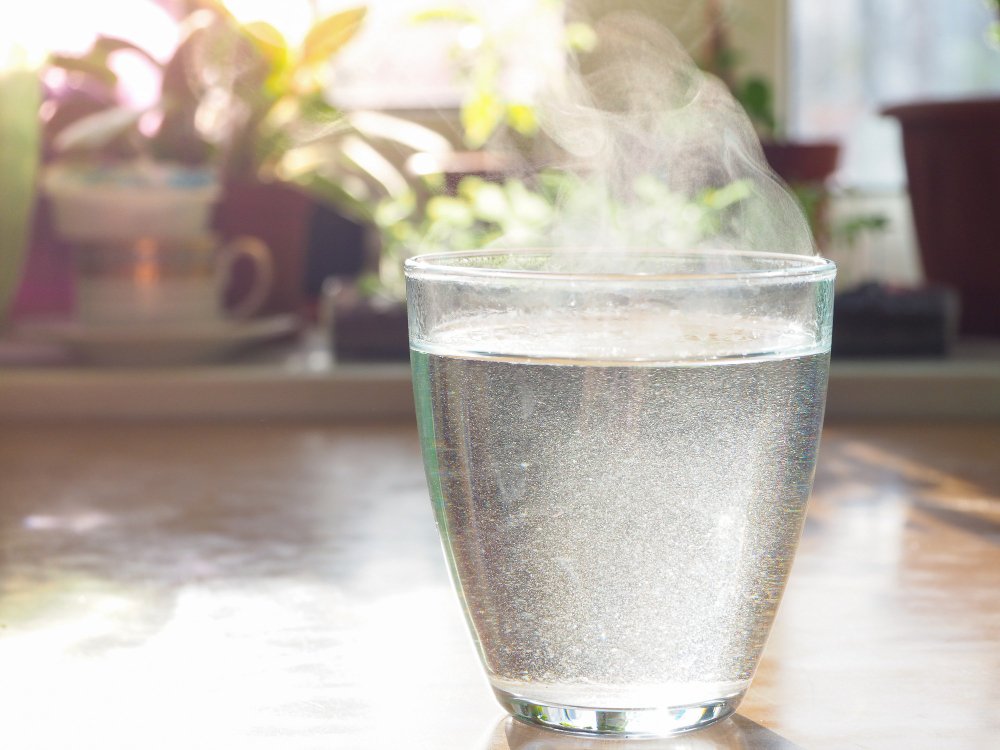
Boil to Be Safe: The golden rule for oral hygiene during floods is to treat your brushing water exactly like your drinking water. Vigorously boil water for at least 3 to 5 minutes to neutralize harmful bacteria and parasites.
Cool and Store: Allow the boiled water to cool to room temperature, and store it in a clean, covered jug dedicated strictly to bathroom use. Never use raw tap water to rinse your mouth after brushing.
The “Bucket Bath” Method for Your Teeth
Just as a bucket bath helps you conserve clean water and avoid using a contaminated showerhead, you need a similar approach for your teeth.
Ditch the Running Tap: Do not brush under a running tap. Not only does this waste precious clean water, but if you accidentally switch on the tap out of habit, you expose your brush to contaminated water.
Use the Mug System: Pour a small amount of your boiled and cooled water into a clean mug. You only need a few tablespoons to wet your toothbrush and rinse your mouth effectively.
Protecting Your Tools
Your toothbrush can easily become a breeding ground for bacteria during the humid, damp conditions of the monsoon, especially if the bathroom environment is compromised by waterlogging.
Rinse Safely: After brushing, rinse your toothbrush thoroughly using the safe water from your mug, not the tap.
Air Dry: Shake off excess water and store the brush upright in a well-ventilated area. If your bathroom has been exposed to floodwater or smells damp, keep your toothbrush in a dry room outside the bathroom.
Replace if Contaminated: If your toothbrush accidentally falls into floodwater or you use it with contaminated tap water by mistake, throw it away immediately. It cannot be reliably sanitized.
Stay Vigilant with Dent O Cares
Waterlogging is incredibly stressful, but neglecting your oral hygiene or taking shortcuts with contaminated water can lead to painful dental emergencies later. Stick to safe water practices to protect your smile and your overall health.
If you experience sudden swollen gums, severe bad breath, or mouth sores after a period of waterlogging, it could be a sign of a bacterial infection. Once the water recedes and it is safe to travel, schedule an appointment at Dent O Cares for a thorough professional cleaning and checkup to ensure your mouth is healthy and infection-free.