Skip to main content
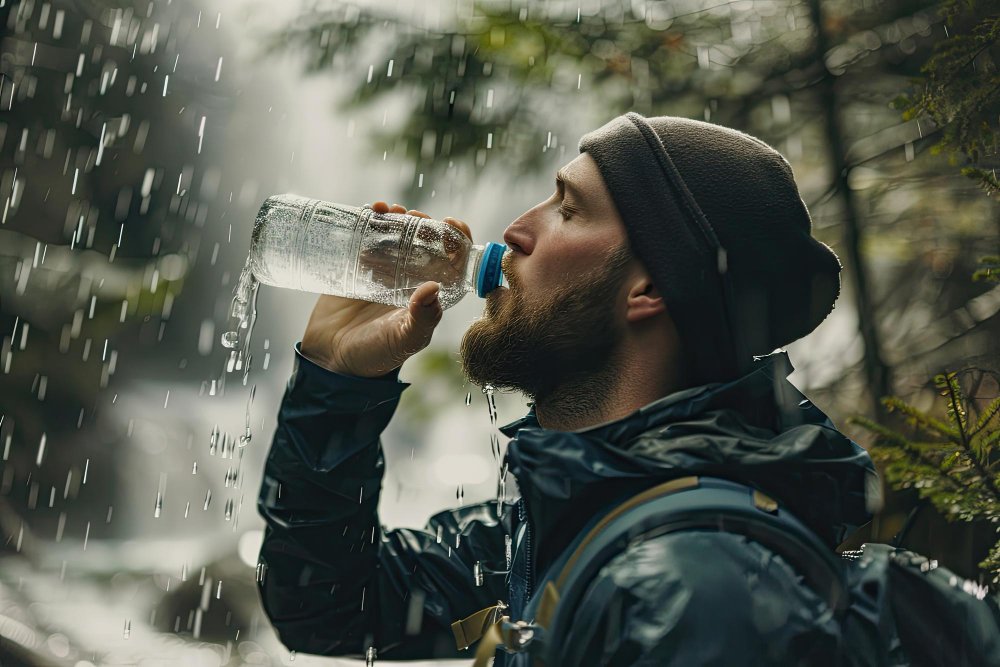
The monsoon season brings a refreshing change to the landscape, offering a cool respite from the sweltering heat. However, the heavy rains also bring a surge in water contamination. During this time, the risk of waterborne diseases like typhoid, cholera, and severe gastroenteritis spikes significantly.
While most of us associate these illnesses with stomach cramps and digestive issues, very few realize the severe, indirect toll they can take on our oral health. At Dent O Cares (https://dentocares.com/), we believe in a holistic approach to dental care. Here is a look at how waterborne illnesses affect your teeth and gums, and how you can protect your smile by ensuring your water is safe this rainy season.
The Hidden Link: How Stomach Bugs Damage Your Smile
When you contract a waterborne illness from contaminated drinking water, your entire body goes into distress. Here is how that systemic illness directly impacts your mouth:
1. Acid Erosion from Vomiting Severe gastrointestinal infections often lead to vomiting. Stomach acid is incredibly strong—much stronger than the acids produced by the bacteria in your mouth. When stomach acid frequently comes into contact with your teeth, it rapidly softens and erodes the hard, protective enamel. Over time, this makes teeth highly sensitive, yellowed, and extremely vulnerable to rapid decay.
2. The Dangers of Dehydration Diarrhea and fever—common symptoms of waterborne illnesses—cause massive fluid loss. When your body is dehydrated, it conserves fluids by drastically reducing saliva production. Saliva is your mouth’s natural defense system, constantly washing away food particles and neutralizing harmful acids. A dry mouth allows cavity-causing bacteria to thrive and multiply, leading to rapid plaque buildup, bad breath, and an increased risk of gum inflammation.
3. Weakened Immune Response Battling a waterborne pathogen taxes your immune system. When your body’s defenses are focused on fighting a severe stomach bug, your gums are left vulnerable. Pre-existing, mild gum disease (gingivitis) can quickly escalate, resulting in swollen, bleeding gums or painful mouth ulcers.
Direct Infection: The Risk of Contaminated Brushing Water
It is not just swallowing bad water that puts you at risk. Using unpurified tap water to wet your toothbrush or rinse your mouth after brushing can be just as dangerous during the monsoons.
If there is a microscopic cut or abrasion on your gums—which is common during brushing or flossing—the bacteria and parasites in contaminated water can easily enter your soft tissues or bloodstream, leading to localized oral infections or systemic illness.
Essential Monsoon Water Habits for Oral Health
Protecting your general and dental health during the rains comes down to strict water hygiene. Follow these essential tips:
Filter and Boil: Never consume water directly from the tap during the monsoon. Ensure all drinking water is filtered through an RO system or boiled vigorously for at least 3-5 minutes to kill harmful pathogens.
Safe Brushing Water: Extend your safe water rule to the bathroom. Keep a designated bottle of boiled or filtered water near your sink specifically for brushing your teeth and rinsing your mouth.
Sanitize Your Toothbrush: After brushing, rinse your toothbrush thoroughly with purified water. Store it upright in a well-ventilated area so it dries completely. A damp toothbrush in a humid environment is a breeding ground for bacteria.
Hydrate Safely: Keep your saliva flowing by drinking plenty of purified water throughout the day. Avoid relying heavily on sugary or caffeinated beverages to quench your thirst.
What to Do If You Get Sick
If you do unfortunately catch a stomach bug this season, protect your teeth by following the “Rinse and Wait” rule. If you vomit, do not brush your teeth immediately. Your enamel will be in a softened, vulnerable state from the stomach acid, and the abrasive action of brushing will scrub the enamel away. Instead, vigorously rinse your mouth with plain water or a mixture of water and a teaspoon of baking soda to neutralize the acid. Wait at least 30 to 45 minutes before brushing.
Stay Proactive with Dent O Cares
The monsoons require a little extra vigilance, but your oral health doesn’t have to suffer. If you experience sudden tooth sensitivity, swollen gums, or persistent dry mouth after a bout of seasonal illness, it is vital to seek professional care.
Book an appointment at Dent O Cares for a comprehensive post-illness checkup. Our expert team will help assess any enamel wear or gum inflammation and get your smile back to its healthiest state!